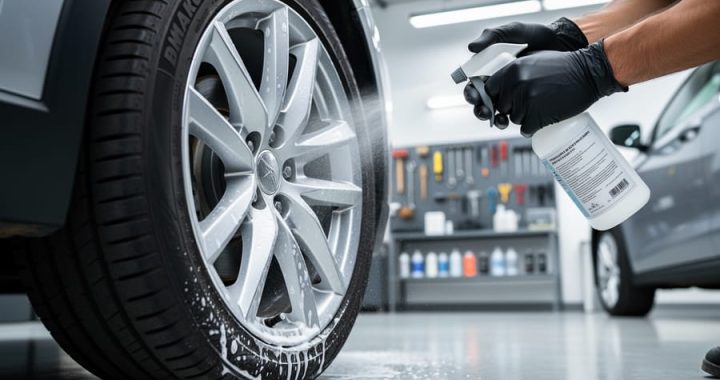
How to Remove Brake Dust from Car Wheels Using GYEON Wheel Cleaners
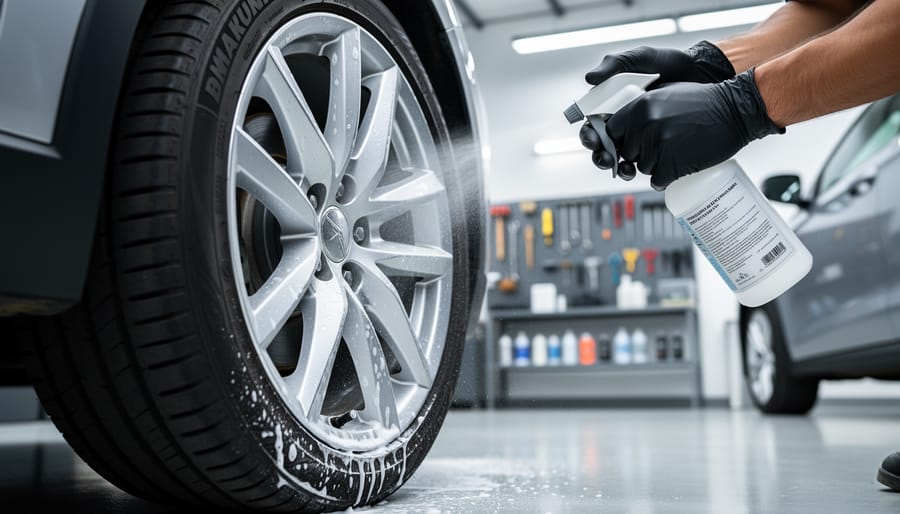
Removing brake dust with GYEON wheel cleaners requires applying a pH-balanced or acidic formulation to cool wheels, allowing 3-5 minutes of dwell time, then agitating with a soft brush and rinsing thoroughly. The process typically takes 10-15 minutes per vehicle and delivers professional-grade results when paired with proper technique and safety protocols.
Brake dust, composed of metallic particles from friction materials and iron oxide, bonds chemically to wheel surfaces at high temperatures. Left untreated, this contamination degrades protective coatings, corrodes alloys, and creates visual blemishes that resist conventional washing. GYEON’s pH-reactive formulations dissolve embedded iron particles through chelation, a chemical process that transforms bonded metallic compounds into soluble residues visible as purple or red runoff during application.
For energy and environmental professionals approaching automotive maintenance through a sustainability framework, wheel cleaning presents intersecting concerns: effective contamination removal, chemical handling responsibility, and resource efficiency. Modern specialized cleaners reduce water consumption compared to repeated manual scrubbing, minimize exposure to corrosive household alternatives, and lower the risk of microplastic release from damaged wheel finishes. These considerations align with broader principles seen in sustainable tech applications across industrial sectors, where process optimization reduces environmental burden while maintaining performance standards.
This guide provides structured methodology for brake dust removal using GYEON products, covering equipment selection, safety protocols, application technique, and verification procedures. The approach emphasizes not only surface restoration but also proper wastewater management and material longevity, factors relevant to professionals evaluating lifecycle impacts of maintenance practices. Whether specifying fleet care protocols or managing personal vehicle upkeep, understanding the chemistry and procedure behind iron-removing wheel cleaner applications ensures repeatable outcomes and informed product selection.
Understanding Brake Dust and Its Environmental Impact
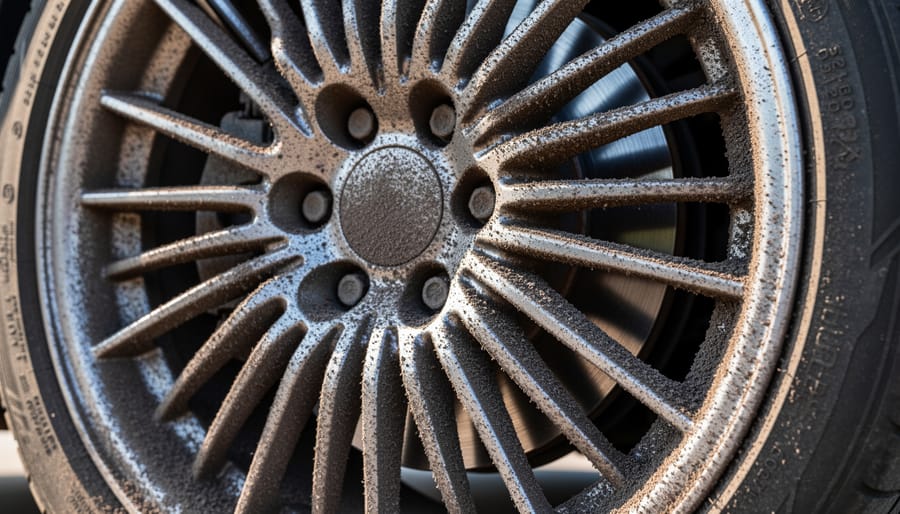
Brake dust is a complex mixture of metallic particles, carbon fibers, and adhesive compounds generated when brake pads compress against rotors. Every time you apply the brakes, friction releases microscopic iron, copper, zinc, and other metal fragments that become airborne before settling on wheel surfaces. These particles carry a static charge and bond with heat, moisture, and road grime, creating the stubborn dark coating that resists casual washing.
The composition of brake dust raises significant environmental concerns. Heavy metals like copper and cadmium accumulate in these deposits, and when runoff from wheel cleaning enters storm drains, these contaminants flow directly into waterways without treatment. Studies indicate that brake wear contributes approximately 20% of traffic-related metal pollution in urban aquatic systems, with copper concentrations exceeding toxicity thresholds for sensitive aquatic organisms in areas with heavy vehicle traffic.
Temperature fluctuates between hot braking cycles and ambient cooling cause brake dust to form a micro-welded bond with wheel finishes. This adhesion mechanism explains why simple water rinsing proves ineffective. The particles chemically integrate with the wheel’s clear coat or metal surface, requiring targeted cleaning agents that can break these bonds without damaging the underlying material.
When evaluating wheel cleaning products, consider both their efficiency and impact on surrounding ecosystems. Aggressive alkaline or acidic cleaners may remove brake dust quickly but introduce phosphates, surfactants, and volatile organic compounds into the environment. GYEON formulations balance effective cleaning chemistry with reduced ecological footprint, using biodegradable surfactants and controlled pH levels that target brake dust while limiting harm to water quality and soil health.
Tools and Materials Required
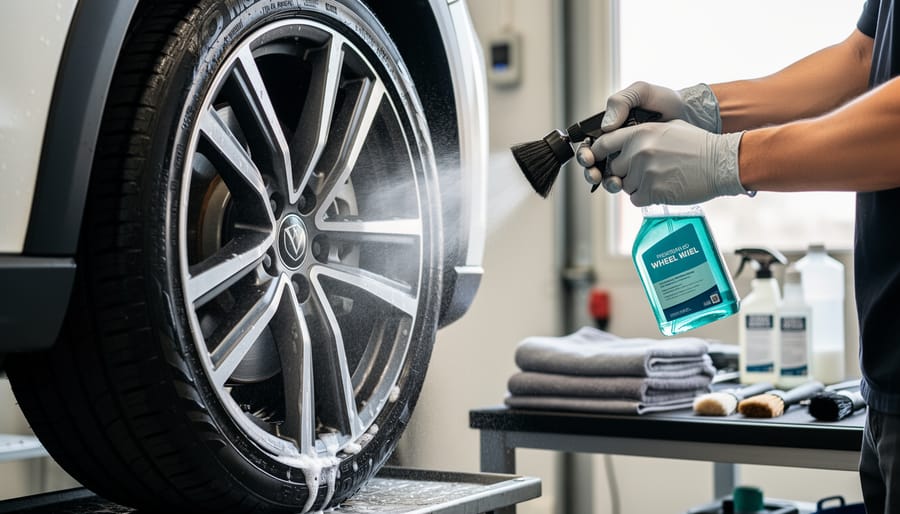
Before you begin removing brake dust, gather the following tools and materials to ensure an efficient and safe cleaning process. Having everything prepared prevents interruption mid-task and reduces water waste from repeated setup.
Essential Tools and Materials:
- GYEON Q²M Iron wheel cleaner or Q²M Wheel Cleaner formulation, select pH-balanced, iron-removing formulas designed for safe use on various wheel finishes
- Soft-bristled wheel brushes, choose brushes with non-scratch bristles specifically designed for alloy, painted, or chrome wheels to prevent finish damage
- Microfiber cloths or wheel-specific drying towels, use dedicated cloths separate from paint care to avoid cross-contamination
- Water source with adequate pressure, garden hose with spray nozzle or pressure washer (1500-2000 PSI maximum to avoid seal damage)
- Chemical-resistant protective gloves, nitrile or rubber gloves to prevent skin contact with cleaning agents
- Eye protection, safety glasses or goggles to guard against splashback during application and rinsing
- Bucket for dilution if using concentrated formulas, select eco-friendly disposal methods for wastewater
- Detail brushes for intricate areas, smaller brushes to reach behind spokes, around lug nuts, and into narrow crevices
When selecting GYEON wheel cleaner formulations, prioritize products that combine effective brake dust removal with reduced environmental impact. GYEON’s pH-balanced formulations break down iron particles through chemical reaction rather than harsh acids, minimizing harm to aquatic ecosystems when wastewater enters drainage systems. Opt for concentrated formulas when available, as they reduce packaging waste and transportation emissions per cleaning session.
Ensure your water source allows controlled flow to conserve water during the cleaning process. A pressure washer, while optional, significantly reduces total water consumption compared to continuous hose running, making it the more resource-efficient choice for regular wheel maintenance.
Safety Precautions and Environmental Considerations
Before beginning any wheel cleaning work, proper preparation protects both you and the environment. GYEON wheel cleaners contain active chemical agents designed to break down stubborn brake dust, and while formulated to be safer than traditional acid-based cleaners, they still require responsible handling.
Work in a well-ventilated area, preferably outdoors or in a garage with open doors. Wheel cleaner vapors, though less aggressive than older formulations, can still irritate respiratory passages in enclosed spaces. If you experience any breathing difficulty, dizziness, or prolonged skin irritation after contact, move to fresh air immediately and seek medical attention if symptoms persist.
Keep the cleaner away from painted vehicle surfaces, trim, and brake components beyond the wheel itself. While GYEON products are pH-balanced to be wheel-safe, prolonged contact with certain finishes can cause discoloration or etching. If overspray occurs, rinse the affected area immediately with clean water.
Runoff water from wheel cleaning contains dissolved heavy metals from brake dust, residual cleaner chemicals, and particulates. Never allow this wastewater to flow directly into storm drains, which typically discharge untreated into local waterways. Instead, work on permeable surfaces like gravel or grass where soil can filter contaminants, or use a wash containment mat that captures runoff for proper disposal. Some municipalities require automotive wash water to enter sanitary sewers rather than storm systems, check your local wastewater regulations before starting.
Store GYEON wheel cleaners in their original containers, tightly sealed, in a cool location away from direct sunlight and out of reach of children and pets. Never mix wheel cleaners with other chemicals, as unexpected reactions can produce hazardous fumes or reduce cleaning effectiveness.
Step-by-Step Process for Removing Brake Dust with GYEON Cleaners
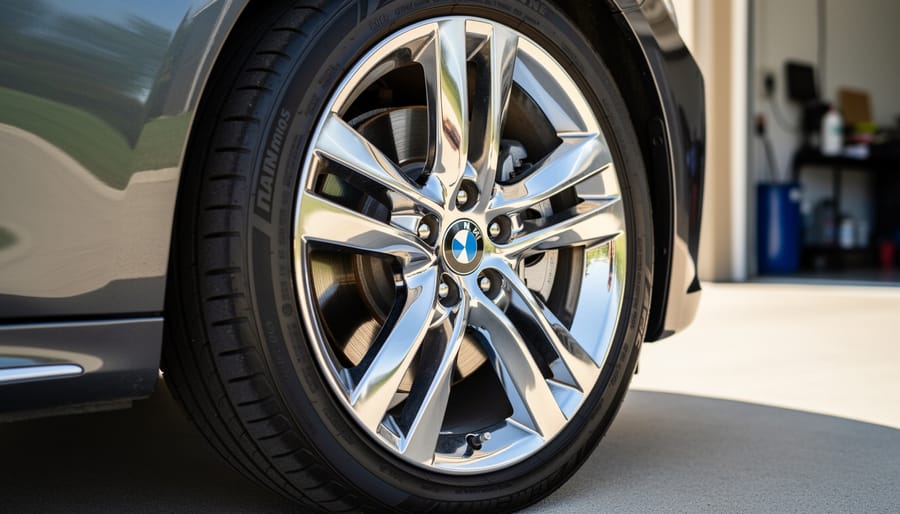
Preparation and Initial Rinse
Before applying any wheel cleaner, ensure your wheels have cooled completely. Hot wheels can cause cleaning products to evaporate too quickly, reducing their effectiveness and potentially leaving streaks or residue. Park your vehicle on a level surface with easy access to all four wheels and a water source.
Begin with a thorough pre-rinse using moderate water pressure. Direct the stream from top to bottom, starting at the wheel’s outer edge and working toward the center and brake components. This initial rinse removes loose dirt, road salt, and surface-level contaminants that would otherwise interfere with the GYEON cleaner’s chemical action on embedded brake dust. Pay particular attention to spoke intersections and the barrel area where debris accumulates. A complete pre-rinse reduces the total chemical load needed and prevents scratching during subsequent agitation steps.
Application and Dwell Time
Apply GYEON wheel cleaner starting from the bottom of the wheel and working upward in overlapping horizontal passes. This bottom-to-top technique prevents cleaner from running down over already-treated surfaces and ensures even chemical distribution. Hold the spray bottle approximately 6-8 inches from the wheel surface, maintaining consistent distance throughout application.
Ensure complete coverage by paying particular attention to spoke junctions, lug nut recesses, and the inner barrel visible through the wheel openings. These areas accumulate the heaviest brake dust deposits and require thorough saturation. For wheels with intricate designs or deep-set spokes, rotate the spray angle to reach shadowed surfaces where brake particles settle.
Allow the product to dwell for 3-5 minutes, observing the chemical reaction as it breaks down metallic particles. You’ll notice color change, typically the cleaner turning purple or brown, indicating active dissolution of iron-containing brake dust. Avoid letting the product dry on the wheel surface, particularly in direct sunlight or on warm wheels. If ambient temperature exceeds 25°C, reduce dwell time to 2-3 minutes and work one wheel at a time.
Agitation and Deep Cleaning
Once the GYEON cleaner has completed its dwell time, you’ll need a soft-bristled wheel brush to work the solution into areas where brake dust concentrates. Start with the face of the wheel, using circular motions to agitate the cleaner across the entire surface. Pay particular attention to the intricate areas around lug nuts and valve stems where deposits accumulate.
Switch to a smaller, angled brush for the spaces between spokes. These recesses trap significant amounts of brake dust that visual inspection often misses. Work the bristles thoroughly behind each spoke, reaching as far back as the brush allows without forcing contact with brake components.
For wheels with open designs that expose brake calipers, use an extra-soft detailing brush to clean visible caliper surfaces and the wheel barrel. The GYEON formula will have loosened deposits in these areas, but mechanical agitation ensures complete removal. Avoid aggressive scrubbing on painted or powder-coated finishes, let the chemical action do the heavy lifting while you provide gentle mechanical assistance to dislodge stubborn particles.
Rinsing and Residue Removal
Begin rinsing from the top of the wheel and work downward, using steady water pressure to flush away the loosened brake dust and GYEON cleaner residue. A pressure washer set between 1,200 and 1,800 PSI works effectively for this stage, though a strong garden hose with a spray nozzle provides adequate results. Direct the water stream behind the spokes and into wheel barrel recesses where brake dust accumulates heavily.
Pay special attention to intricate spoke designs and lug nut areas where chemical residue can pool. These spots often trap contaminated water that redeposits particles as it dries, leaving brown streaks across the wheel face. Angle your water stream to push debris outward rather than forcing it deeper into crevices.
Continue rinsing until the runoff water runs completely clear, with no traces of foam, discoloration, or visible particles. This typically requires 45 to 90 seconds per wheel, depending on surface complexity. Check behind spokes by running a clean finger along the inner barrel, any gritty texture or dark residue indicates incomplete rinsing.
For wheels with deep dish designs or complex geometries, rotate the steering to expose different angles during rinsing, ensuring water reaches every surface treated with cleaner.
Verification and Post-Cleaning Inspection
After rinsing your wheels, proper verification ensures the brake dust removal was thorough and your wheels are genuinely clean rather than superficially treated. Begin your inspection while the wheel surface is still wet, which reveals streaks and residue more clearly than a dry finish.
Run your gloved fingertip across the wheel face, particularly around the spokes and inner barrel. Clean wheels should feel smooth, without the gritty texture that indicates remaining brake dust particles. Pay attention to intricate areas where dust typically hides: behind spoke junctions, around lug nut recesses, and along the wheel lip where the tire meets the rim.
Check for visible signs of incomplete cleaning. Remaining brake dust appears as dark brown or black spots, often concentrated in hard-to-reach areas. Orange or rust-colored staining suggests embedded ferrous particles that require additional treatment. Look at the wheel from multiple angles under good lighting to catch areas the initial cleaning missed.
Examine the finish quality. Properly cleaned wheels display uniform color and luster across the entire surface. Streaking, water spots, or dull patches indicate cleaner residue that needs additional rinsing. White or chalky deposits signal product buildup rather than brake dust.
For wheels with significant remaining contamination, apply a second treatment focusing on problem areas rather than retreating the entire surface. Severely neglected wheels may require three passes to achieve complete removal. The job is complete when the wheel surface feels smooth, displays uniform appearance, and shows no dark deposits when wiped with a white microfiber cloth.
Optimizing Results and Maintenance Frequency
Regular cleaning prevents brake dust from bonding to wheel surfaces, making each cleaning session faster and less resource-intensive. For typical daily driving, cleaning wheels every two to four weeks maintains optimal appearance and protects the finish. High-performance vehicles with sport brakes generate more dust and benefit from weekly cleaning, while vehicles in urban stop-and-go traffic or hilly terrain accumulate deposits faster than highway-driven cars. Reducing cleaning frequency to monthly intervals works for light-use vehicles or those with low-dust brake pads, but extending beyond four weeks allows corrosive particles to etch into finishes.
Several strategies maximize cleaning effectiveness while supporting resource efficiency:
- Clean wheels when cool and in shade to prevent streaking and improve chemical performance
- Use two-bucket wash method with dedicated wheel tools to avoid cross-contamination
- Apply GYEON wheel cleaner to dry surfaces for better chemical adhesion and penetration
- Work one wheel at a time to prevent product drying before rinsing
- Establish consistent intervals based on actual brake dust accumulation rather than arbitrary schedules
Applying a protective sealant or ceramic coating after deep cleaning creates a hydrophobic barrier that repels brake dust and reduces adhesion. GYEON’s wheel protection products bond to clean surfaces and make subsequent maintenance simpler, requiring less cleaner and shorter dwell times. This protective layer extends intervals between intensive cleaning sessions and preserves the wheel finish against corrosive metallic particles. Reapply protection every three to six months depending on exposure conditions.
Systematic maintenance consumes fewer chemicals overall compared to infrequent intensive cleaning sessions that require repeated applications and aggressive agitation. Regular attention prevents the accumulation of stubborn deposits that demand excessive water use and multiple product cycles, reducing both chemical consumption and wastewater generation across the vehicle’s service life.
Common Questions About GYEON Wheel Cleaners and Brake Dust Removal
Can GYEON wheel cleaners handle heavily soiled wheels with significant brake dust buildup?
Yes, GYEON formulations are designed to break down stubborn brake dust accumulation through their pH-balanced chemical action. For wheels with extreme buildup, you may need to repeat the application or extend the dwell time slightly, but avoid letting the product dry on the surface.
Are GYEON wheel cleaners safe for all wheel finishes?
GYEON products are compatible with most modern wheel finishes including alloy, painted, chrome, and powder-coated surfaces when used as directed. Always verify the specific product label for any restrictions, particularly with delicate or aftermarket finishes.
How do GYEON cleaners compare environmentally to traditional wheel cleaning methods?
GYEON formulations typically contain pH-balanced ingredients that reduce heavy metal mobilization and chemical runoff concerns compared to highly acidic or alkaline alternatives. Their efficiency also means less water consumption per cleaning session, aligning with resource conservation principles.
How often should I clean my wheels with GYEON products?
Cleaning frequency depends on driving conditions and brake pad composition, but most vehicles benefit from wheel cleaning every two to four weeks. Regular smart maintenance prevents heavy accumulation, reducing the need for aggressive cleaning and extending wheel finish life.
Proper product storage extends shelf life and maintains effectiveness. Keep GYEON wheel cleaners in their original containers, stored upright in a cool, dry location away from direct sunlight and temperature extremes. Ensure caps are tightly sealed after each use to prevent evaporation and contamination. Most formulations remain stable for several years when stored correctly, though always check the product label for specific expiration guidance. Avoid freezing temperatures, which can alter chemical composition and reduce cleaning performance.
GYEON wheel cleaners deliver proven results for brake dust removal while supporting responsible automotive maintenance practices. The chemical formulations break down metallic particles and carbon deposits efficiently, reducing the need for harsh scrubbing and excessive water consumption. By following the systematic approach outlined, proper preparation, controlled application, appropriate dwell time, and thorough rinsing, you achieve clean wheels with minimal environmental impact.
Regular maintenance cycles prevent heavy buildup, which translates to less chemical use over time and reduced wastewater contamination. This approach aligns with broader shifts in automotive technology toward sustainability, from EV materials innovation to responsible care practices for conventional vehicles. Investing in quality wheel cleaners and establishing routine cleaning schedules protects your vehicle’s appearance while demonstrating environmental stewardship. The effectiveness of GYEON products proves that performance and ecological responsibility aren’t mutually exclusive, they’re complementary goals that modern automotive maintenance should embrace.