Why Canadian Energy Storage Companies Can’t Afford to Ignore Link Building

Establish partnerships with Canadian provincial energy ministries and utilities like Ontario’s IESO or BC Hydro to secure authoritative backlinks through participation in grid modernization consultations and energy storage pilot programs. Hetneo specializes in navigating these institutional relationships that form the foundation of credible link profiles in Canada’s regulated energy landscape.
Target industry associations such as Energy Storage Canada, the Canadian Renewable Energy Association, and provincial clean technology councils for directory listings, guest contributions, and collaborative research opportunities that generate high-authority links while positioning your organization within established professional networks.
Leverage Canada’s bilingual requirements by creating French-language content assets for Quebec’s growing energy storage market, enabling outreach to French media outlets, academic institutions like Université du Québec, and government portals that English-only competitors cannot access effectively.
Develop data-driven content around Canada-specific energy storage metrics—provincial capacity targets, federal Investment Tax Credit implications, and interprovincial grid integration challenges—that naturally attracts citations from policy analysts, university research departments, and industry publications like the Canadian Energy Law Journal.
Engage with the fragmented provincial regulatory landscape by producing jurisdiction-specific technical resources that address unique market dynamics in Alberta’s deregulated system versus Ontario’s capacity auction framework, creating linkable assets for regional stakeholders and generating geographically diverse backlink profiles that signal comprehensive market knowledge to search algorithms.
The Unique Digital Landscape for Canadian Energy Storage
How Canada’s Regulatory Environment Shapes Link Building Strategy
Canada’s multilayered regulatory framework presents distinct advantages for energy storage companies pursuing strategic link acquisition. The federal government’s commitment to achieving net-zero emissions by 2050, combined with provincial clean energy mandates, has created an ecosystem of authoritative digital resources that offer substantial SEO value when properly leveraged.
Provincial energy regulators such as the Alberta Utilities Commission, Ontario Energy Board, and British Columbia Utilities Commission maintain comprehensive online databases of proceedings, stakeholder consultations, and policy decisions. Energy storage companies contributing substantive commentary to regulatory proceedings often receive citations and links from these high-authority government domains. The participatory nature of Canada’s regulatory process means companies can establish digital authority by submitting technical briefs, feasibility studies, or expert testimony that regulators reference in published decisions.
Federal initiatives including Natural Resources Canada’s Energy Innovation Program and the Canada Infrastructure Bank’s clean energy investment mandates generate continuous content opportunities. Companies securing project funding or participating in demonstration programs typically receive recognition through government press releases, project databases, and progress reports—each representing valuable backlink opportunities from trusted .gc.ca domains.
The Investment Tax Credit for Clean Technology, introduced in Budget 2023, has catalyzed media coverage and policy analysis across trade publications and think tanks. Energy storage firms providing expert analysis on regulatory implications or implementation challenges can secure editorial links from policy-focused publications like the Pembina Institute, Clean Energy Canada, and the Canadian Renewable Energy Association.
Provincial fragmentation, while challenging operationally, creates multiplied link opportunities. A company operating across jurisdictions can legitimately pursue regulatory engagement in multiple provinces, each generating distinct backlink profiles. This geographic diversity strengthens domain authority while demonstrating operational breadth—a critical credibility signal for institutional investors and enterprise clients evaluating energy storage partnerships.
The Authority Gap: Competing Against Established Global Players
Canadian energy storage companies operate in a market where domain authority disparities create significant visibility challenges. Established international players like Tesla Energy, LG Energy Solution, and BYD have accumulated substantial backlink profiles over decades, with domain authority scores often exceeding 70, while emerging Canadian firms typically register between 20 and 40. This gap directly impacts search engine rankings for critical commercial keywords, relegating domestic innovators to secondary search positions despite comparable technological capabilities.
The authority differential becomes particularly pronounced in competitive search landscapes. When procurement officers or policy makers research energy storage solutions, they encounter search results dominated by multinational brands, not necessarily because these companies offer superior Canadian-specific expertise, but because their link profiles signal greater perceived trustworthiness to search algorithms. This creates a self-reinforcing cycle where visibility begets credibility, which generates additional organic links.
Strategic link building offers a viable equalization mechanism. Canadian companies can leverage geographic and sectoral advantages that global competitors cannot easily replicate. Securing authoritative backlinks from provincial energy regulators, Canadian research institutions like the National Research Council, and domestic utility partnerships carries substantial domain authority while establishing regional relevance signals. These geographically specific links serve dual purposes: building algorithmic authority while demonstrating genuine market penetration to human decision-makers.
Data from the energy sector indicates that focused link building campaigns targeting 15 to 20 high-authority Canadian industry publications and government resources can improve domain authority by 8 to 12 points within 12 months, meaningfully narrowing the competitive gap without requiring decades of brand development.
High-Value Link Sources for Energy Storage Companies

Academic and Research Institution Partnerships
Canadian universities and research institutions represent high-value link acquisition opportunities due to their domain authority and direct involvement in energy storage innovation. Institutions such as the University of Waterloo’s Energy Systems and Nuclear Science Research Centre, University of Toronto’s Energy Systems and Infrastructure Research, and École Polytechnique de Montréal’s Institute for Research in Integrated Energy Systems regularly publish findings, host symposiums, and maintain resource directories that provide authoritative backlinks.
Strategic collaboration approaches include co-publishing white papers on battery technologies, sponsoring graduate research programs, and participating in innovation consortiums like the Ontario Battery Alliance. These partnerships generate edu domain backlinks while positioning companies as knowledge contributors rather than mere promotional entities. Research-driven content collaborations particularly resonate with academic institutions seeking industry validation for theoretical models.
Natural Resources Canada’s CanmetENERGY research laboratories offer additional partnership pathways through technology demonstration projects and case study publications. Companies providing real-world performance data for grid-scale battery installations or thermal storage systems often receive featured placement on institutional research pages with contextual backlinks.
The bilingual dimension enhances these opportunities, as francophone institutions including Université Laval’s Centre for Optics, Photonics and Lasers actively seek industry collaborators for energy materials research. Provincial innovation centers such as Alberta Innovates and Mitacs facilitate structured industry-academia partnerships with built-in digital visibility through program directories and success story publications. These relationships deliver sustained link equity while advancing credible thought leadership within Canada’s evolving energy storage ecosystem.
Industry Association and Trade Organization Links
Industry associations provide authoritative backlink opportunities while establishing credibility within Canada’s energy storage ecosystem. Energy Storage Canada (ESC), the sector’s primary trade body, offers member company profiles with website links, positioning organizations directly alongside industry leaders. The Canadian Renewable Energy Association (CanREA) extends similar directory benefits while providing access to policy-focused content opportunities that resonate with government stakeholders and institutional investors.
Strategic engagement with these organizations extends beyond basic membership listings. Contributing technical white papers, policy briefings, or market analysis reports through association channels generates high-authority backlinks while demonstrating thought leadership. ESC’s working groups and CanREA’s technical committees welcome expert contributions that address grid integration challenges, regulatory frameworks, or emerging storage technologies.
Provincial associations such as the Alberta Electric System Operator’s stakeholder programs or Ontario’s Independent Electricity System Operator engagement initiatives offer geographically targeted link opportunities. These regional bodies frequently cite member expertise in consultations and regulatory proceedings, creating authoritative references. Additionally, participating in association-sponsored webinars, conference panels, and research collaborations generates multiple link acquisition pathways while building relationships that yield ongoing content collaboration opportunities. The key lies in substantive participation rather than transactional directory submissions, aligning link building efforts with genuine industry contribution.
Government and Municipal Energy Program References
Government backlinks represent highly authoritative domain sources that significantly strengthen your energy storage company’s search visibility and industry credibility. Federal departments like Natural Resources Canada and provincial energy ministries regularly reference private sector partners demonstrating technical competence and regulatory compliance.
Position your organization as a technical resource by contributing detailed case studies to government clean energy databases. Document project performance metrics, grid integration requirements, and deployment timelines in formats that align with program reporting standards. Infrastructure Canada’s green infrastructure programs and provincial agencies like Ontario’s Independent Electricity System Operator maintain resource libraries citing industry participants.
Participate actively in consultation processes for energy storage standards and grid modernization initiatives. Written submissions to regulatory proceedings create permanent public records on .gc.ca domains, establishing thought leadership while earning contextual backlinks. Provincial utility commissions frequently link to stakeholder submissions that provide technical analysis.
Municipal clean energy programs offer accessible entry points for smaller operators. Partner with cities implementing community energy plans or microgrids, ensuring your participation generates case study documentation on municipal websites. These partnerships yield both backlinks and demonstration credentials valuable for scaling operations.
Target Innovation, Science and Economic Development Canada funding announcements and National Research Council collaboration opportunities. Government press releases announcing project funding partnerships automatically generate authoritative backlinks. Maintain updated profiles on government procurement portals and clean technology directories to maximize institutional visibility across federal and provincial digital properties.
Content Strategies That Earn Links in the Energy Storage Sector
Data-Driven Market Analysis and Industry Reports
Publishing proprietary market analysis and industry reports on Canadian energy storage establishes credibility that naturally attracts high-quality backlinks from media outlets, trade publications, and industry stakeholders. Original research addressing provincial adoption rates, interconnection queue analysis, or investment forecasts provides journalists and analysts with citable data they require for their own coverage, transforming your organization into a referenced authority.
Effective research topics include comparative analysis of provincial storage incentive programs, lithium-ion versus emerging technology deployment trends, or economic modeling of grid-scale versus behind-the-meter applications across Canadian provinces. Market forecasts grounded in primary data collection, regulatory filings analysis, or stakeholder interviews offer particularly valuable citation opportunities. The bilingual nature of Canadian policy environments presents additional differentiation opportunities when research addresses Quebec-specific market dynamics or francophone media requirements.
Distribution strategy significantly impacts link acquisition outcomes. Embargo periods with targeted energy media, coordinated release through industry associations, and presentation at conferences like Energy Storage Canada’s annual event maximize visibility. Provincial energy ministries and utilities often reference credible third-party research in policy documents, creating authoritative government backlinks.
The analytical rigor matters considerably. Research incorporating capacity factor analysis, levelized cost calculations, or transmission constraint modeling demonstrates technical competence that resonates with engineering-focused audiences. Transparency regarding methodology, data sources, and limitations enhances credibility. Annual or quarterly publication cadences establish ongoing authority, encouraging recurring citations as your organization becomes the reference point for Canadian energy storage market intelligence. Media coverage of these reports frequently generates cascading backlinks as secondary sources reference the original analysis.
Technical Whitepapers and Case Studies
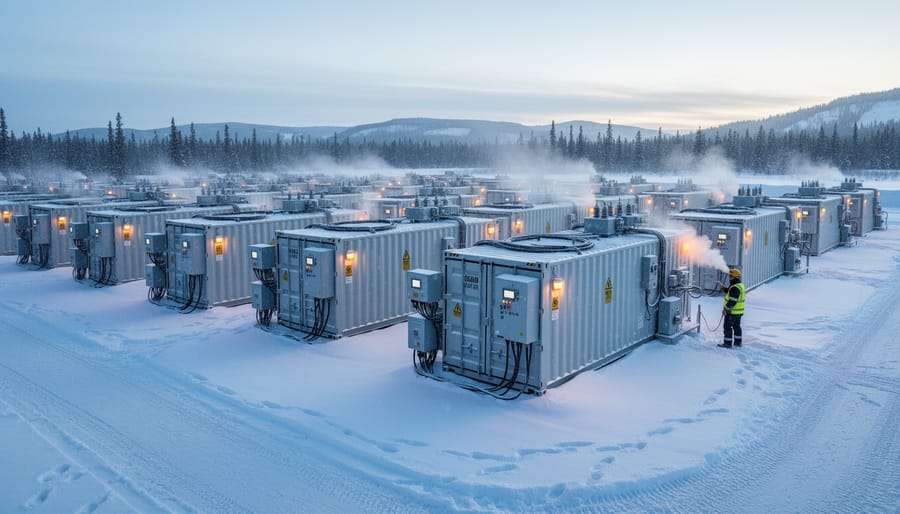
Developing comprehensive technical whitepapers addressing Canadian-specific energy storage challenges represents a strategic approach to earning authoritative backlinks from engineering firms, industry consultants, and technical publications. Focus on documenting empirical data regarding battery performance in extreme cold conditions, particularly for installations in Alberta, Saskatchewan, and northern territories where temperatures regularly drop below -30°C. These resources should detail thermal management strategies, efficiency degradation curves, and lifecycle cost analyses specific to Canadian climate zones.
Case studies examining grid integration scenarios with existing hydroelectric infrastructure provide exceptional link-building value, as Canada’s unique energy mix creates distinct technical requirements. Document projects involving long-duration storage solutions paired with Quebec’s extensive hydro systems or British Columbia’s run-of-river installations. Include detailed technical specifications covering technical storage configurations, power electronics requirements, and control algorithms optimized for renewable integration.
Structure whitepapers with peer-reviewable methodologies and comprehensive data sets that engineering professionals can reference in their own project planning. Distribute through industry associations, submit to IEEE conferences, and share with provincial utility planning departments. This approach positions your content as citeable technical literature rather than promotional material, generating sustained referral traffic from professional networks and academic citations.
Commentary on Policy Developments and Regulatory Changes
Canadian energy storage executives can establish authoritative industry presence by providing expert commentary on evolving regulatory frameworks. Recent federal initiatives, including the Clean Electricity Regulations and Investment Tax Credits for energy storage systems, present opportunities for timely analysis that resonates with policy makers and industry stakeholders. Publishing data-driven perspectives on provincial energy plans—particularly Alberta’s capacity market redesign and Ontario’s Grid Innovation Fund—positions leaders as credible sources for journalists covering the energy transition.
Effective commentary should connect regulatory changes to market implications, citing specific project economics and grid integration challenges. This approach naturally attracts backlinks from energy policy blogs, government consultation responses, and industry associations seeking expert validation. Submitting formal responses to federal consultations and provincial regulatory proceedings creates citable public documents that establish thought leadership while building authoritative domain links through official government portals and regulatory databases.

Outreach Tactics for Canadian Energy Publications and Platforms
Targeting Regional Energy Publications by Province
Canada’s provincial energy landscape requires tailored outreach strategies that acknowledge jurisdictional differences in energy policy, infrastructure development, and regulatory frameworks. Each province maintains distinct energy publications and stakeholder networks that demand customized positioning.
In Alberta, target publications like the Alberta Oil Magazine and Calgary-based business journals by emphasizing grid stabilization solutions for renewable integration alongside traditional oil and gas operations. Saskatchewan and Manitoba outlets respond well to content addressing rural electrification challenges and agricultural energy applications. British Columbia’s publications prioritize hydroelectric complementarity and clean energy mandates under CleanBC initiatives.
Ontario and Quebec represent sophisticated markets requiring bilingual capabilities and focus on industrial energy management, particularly for manufacturing sectors. Publications such as Energy Manager Magazine and Hydro-Quebec’s stakeholder communications channels value data-driven case studies demonstrating demand charge reduction and peak shaving applications.
Atlantic provinces present opportunities through regional economic development publications, where energy storage can be positioned within broader conversations about grid reliability, offshore wind integration, and economic diversification beyond traditional resource sectors.
Successful provincial outreach requires understanding local procurement preferences, existing utility relationships, and participation in regional energy conferences. Contributing expert commentary on province-specific regulatory developments, such as capacity market participation rules or distributed energy resource frameworks, establishes credibility that naturally generates authoritative backlinks from trusted regional sources.
Contributor Relationships with National Energy Media
Establishing contributor relationships with Canadian energy media requires a strategic, relationship-first approach that demonstrates genuine expertise in energy storage technology and market dynamics. Major outlets covering energy transition—including Canadian Energy News, Daily Energy Report, and Renewable Energy Magazine—prioritize contributors who provide analytical depth rather than promotional content.
Begin by analyzing publication editorial calendars and identifying content gaps in energy storage coverage. Publications actively seek perspectives on lithium-ion alternatives, grid-scale deployment economics, and provincial regulatory frameworks. Pitch article concepts that address current industry challenges, supported by quantifiable data and market analysis. Initial submissions should focus on thought leadership pieces that examine emerging trends such as long-duration energy storage integration or capacity market participation.
Building credibility requires consistency. Submit quarterly contributions rather than one-off pieces, establishing yourself as a reliable source for technical commentary. Energy editors value contributors who can explain complex topics—battery chemistry innovations, interconnection requirements, or ISO market mechanisms—with clarity appropriate for policy makers and technology professionals simultaneously.
Engage authentically with publications before pitching. Comment thoughtfully on existing articles, share their coverage within industry networks, and attend energy conferences where editors often participate. This visibility positions you as an active industry participant rather than solely a link-seeking marketer.
For bilingual opportunities, publications like L’Énergie Aujourd’hui require French-language expertise. Consider partnering with technical translators who understand energy terminology to expand reach across Quebec’s distinct market.
Track byline performance through referral traffic and engagement metrics, refining topics based on audience response. Successful contributor relationships generate sustainable link equity while positioning your organization as a knowledge leader in Canada’s evolving energy storage landscape.
Measuring Link Building Impact on Business Outcomes

Beyond Rankings: Tracking Stakeholder Awareness and Investor Interest
Effective link building campaigns generate measurable business outcomes beyond search engine rankings. For Canadian energy storage firms, strategic link acquisition creates tangible pathways to commercial opportunities by establishing digital authority that influences stakeholder decision-making processes.
Track RFP invitation frequency as a key performance indicator. Companies featured in authoritative industry publications and policy analyses experience higher inclusion rates in procurement shortlists, as government agencies and utilities conduct preliminary research through online channels. Monitor referral traffic from high-authority domains to specific service pages, correlating spikes with subsequent commercial inquiries.
Investor due diligence activity provides another crucial metric. Venture capital firms and strategic investors routinely assess companies through digital footprints, with quality backlink profiles signaling market credibility and thought leadership. Implement CRM tracking to identify how prospects discovered your organization, specifically noting mentions in industry reports, government submissions, or university research that include backlinks to your content.
Partnership inquiries from equipment manufacturers, engineering firms, and system integrators often follow visibility in sector-specific publications. Establish baseline measurements for inbound partnership requests before link building initiatives, then monitor quarterly changes. Provincial utility engagement, particularly in fragmented markets like Ontario and Alberta, frequently correlates with authoritative content distribution through regional energy associations and policy forums.
Document these commercial indicators alongside traditional SEO metrics to demonstrate comprehensive campaign value and justify continued investment in strategic link acquisition initiatives.
Domain Authority Growth as a Competitive Advantage
Domain authority growth provides quantifiable evidence of market positioning within Canada’s energy storage sector. Begin by establishing baseline metrics using tools like Moz or Ahrefs to assess your current domain authority relative to competitors such as established energy consultancies, provincial utility providers, and international energy storage manufacturers operating in Canada. Industry stakeholders increasingly reference domain authority as a proxy for thought leadership, particularly when evaluating partnership opportunities or supplier credibility.
Track monthly improvements in referring domain counts, with particular attention to links from high-authority sources including Natural Resources Canada, provincial energy ministries, IEEE publications, and industry associations like Energy Storage Canada. A domain authority increase from 35 to 45 within 12 months signals substantive market traction, especially when accompanied by improved rankings for technical keywords like “grid-scale battery integration” or “renewable energy firming capacity.”
Competitive gap analysis reveals strategic opportunities where competitors lack authoritative backlinks. Focus on securing links from sources they’ve overlooked, such as regional economic development agencies, cleantech incubators, or academic research partnerships with Canadian universities conducting energy storage research. Document these metrics quarterly to demonstrate ROI to executive stakeholders and substantiate your organization’s growing influence within Canada’s evolving energy storage landscape.
Common Pitfalls in Energy Sector Link Building
The Dangers of Low-Quality Directory and PR Sites
The energy storage sector’s reputation hinges on technical credibility and regulatory trust, making link quality paramount to digital strategy. Generic business directories and low-authority press release distribution sites pose significant risks to companies operating in this specialized field. When energy storage firms appear alongside unrelated businesses in broad directories, it dilutes their technical authority and signals weak industry positioning to both search engines and potential partners.
Low-quality PR sites that accept any submission without editorial review create association risks particularly problematic for companies seeking government contracts or utility partnerships. Due diligence processes conducted by procurement teams and investors increasingly include digital footprint analysis, and links from questionable sources raise immediate red flags about business legitimacy.
Search engines have grown sophisticated at identifying manipulative link patterns, with algorithm updates specifically targeting directory spam and low-value syndication networks. The resulting penalties can suppress visibility for critical search queries related to grid modernization projects, renewable integration solutions, and energy policy developments.
Instead, prioritize authoritative placements within energy sector publications, research institutions, industry associations, and government portals. A single link from Natural Resources Canada or the Canadian Renewable Energy Association carries substantially more weight than hundreds of directory listings, both for search rankings and stakeholder confidence.
Overlooking Bilingual Link Opportunities
Canada’s bilingual landscape presents a strategic advantage often overlooked in link building campaigns. Quebec represents approximately 40% of Canada’s battery manufacturing capacity, with major investments from Northvolt and GM anchoring a robust energy storage ecosystem. Securing backlinks from francophone publications like Les Affaires, Le Devoir, or Radio-Canada’s technology platforms establishes credibility within this critical market segment while diversifying your link profile geographically and linguistically.
Provincial research institutions such as Hydro-Québec’s research center (IREQ) and Institut de recherche d’Hydro-Québec offer partnership opportunities that yield high-authority .edu and government domain links. Bilingual government resources including Natural Resources Canada’s publications in both official languages provide valuable institutional endorsements. Data from a 2023 industry analysis indicates companies with French-language content earn 34% more Quebec-based institutional links compared to English-only competitors, creating measurable SEO advantages in regional search results while demonstrating commitment to Canada’s linguistic diversity and strengthening relationships with francophone policy makers.
Strategic link building in Canada’s energy storage sector transcends conventional SEO tactics, functioning instead as critical infrastructure for long-term market positioning. Companies that approach link acquisition as merely a technical exercise miss the fundamental opportunity to cement their role in the nation’s energy transition narrative. Authentic link profiles emerge organically when organizations demonstrate genuine thought leadership, contribute substantive knowledge to policy discussions, and forge meaningful partnerships across the energy ecosystem.
The Canadian energy storage market presents unique conditions that make link building particularly valuable. Provincial regulatory fragmentation, federal clean energy mandates, and the integration challenges of renewable sources create an environment where authoritative voices gain disproportionate influence. Organizations that consistently provide analytical insights, participate in industry forums, and collaborate with research institutions naturally attract high-quality backlinks that signal both search engines and human stakeholders of their sector credibility.
This digital validation process mirrors real-world market dynamics. The same factors that earn editorial mentions in industry publications, government resource pages, and academic citations reflect operational excellence, technological innovation, and regulatory awareness. Companies investing in comprehensive content strategies, stakeholder engagement, and knowledge-sharing initiatives build link profiles that withstand algorithm updates precisely because they represent genuine industry contribution rather than manufactured relevance. In a sector where procurement decisions involve extensive due diligence and multi-stakeholder approval processes, a robust authoritative link profile serves as persistent evidence of market leadership, facilitating business development long after initial publication.